This post may contain affiliate links which means I may earn a commission if you make a purchase through my links (at no extra cost to you). Please read my full dislcaimer for more info.
How far in advance should I prepare for my move? What should I do before professional packers arrive? Do professional packers really pack everything?
Those are probably some of the questions running through your mind if you’ve decided to move and hire professional packers to help with your move.
That’s normal. In fact, I searched online to see what people are asking about hiring professional packers and preparing for moving day, and so many people have those same questions and concerns.
Because I work in the moving industry as a professional packer, I can help answer your questions so you can be (and feel) prepared when it’s time for your packing appointment.

Q1: How far in advance should someone start preparing for a move?
The more concrete answer will depend on if you’re a homeowner or a renter, because buying and selling a house typically has a longer timeline than moving out of a rental home and moving into a new rental home.
Regardless, I recommend that you start preparing at least one month before your move-out date. Why? Because if you have full-time responsibilities (e.g. work, school, kids), then you don’t have a lot of spare time on a daily basis to do all the things you need to do to fully prepare for a move. Therefore, you’re going to need several weeks at minimum to prepare for your move even if you hired professional packers and movers to help with your move.
Please keep in mind that one month is a minimum. It’s better to start preparing for a move three or more months in advance especially if you have a lot of belongings and have to sell your house.
Q2: If I’m hiring professional packers, how prepared does my home need to be before they arrive?
Think about if you hired a housecleaner to clean your home. Would you leave clutter on the floors and counters because it’s their job to clean or would you tidy your home so it’s easy for them to move through it?
I hope you would do the latter because if you did the former, the housecleaner wouldn’t be able to easily wipe down your counters and vacuum and mop your floors. That would lead to them taking longer than expected to clean your home which means you would be charged more than you anticipated.
Now let’s apply that to packing for a move.
Do you think it’s better to not look through your belongings before the packers arrive because it’s their job to pack everything or do you think it’s better to go through your belongings in advance so you can know what you want to keep and get rid of as well as what you want them to pack and not pack?
I hope you chose the latter because if you chose the former, the packers won’t be able to pack everything as efficiently. They’ll have to constantly stop working to ask you what you want them to do with certain items which could lead to you and them feeling frustrated and stressed.
Additionally, the less prepared you are for your appointment, the longer the packing job will take which means the higher your bill will be.
A housecleaner’s job is to clean your home not organize your home.
A packer’s job is to pack your belongings not categorize your belongings.
Therefore, before your packing appointment, go through all of your belongings to decide what you want to keep, sell, donate, and throw away as well as what you want to pack yourself and what you want the professionals to pack.
Q3: Should I declutter before the professional packers arrive?
Yes. As mentioned before, I recommend going through all of your belongings before your packing appointment. As you’re doing that, you will naturally come across items you no longer want so it’s best to declutter those items at that time or at least before your packing appointment.
If you don’t go through and declutter your belongings ahead of time, here’s what can end up happening.
You will tell the professional packers to pack everything that can fit in a box and you will tell the professional movers to move all of those boxes and everything else in your current home to your new home. As time goes on and you open up those boxes and unpack items, you will realize that you don’t want to keep some of those things. Then, it’ll hit you.
“I paid x amount of money to have professionals pack and move items I don’t even need or want.”
“I paid x amount of money for packing materials to box up items I don’t want and now I have to deal with getting rid of these boxes AND the items I don’t want.”
That moment of regret can be avoided if you declutter your home before your appointment.
Q4: What are some things clients do (or don’t do) that can make a professional packing job more difficult?
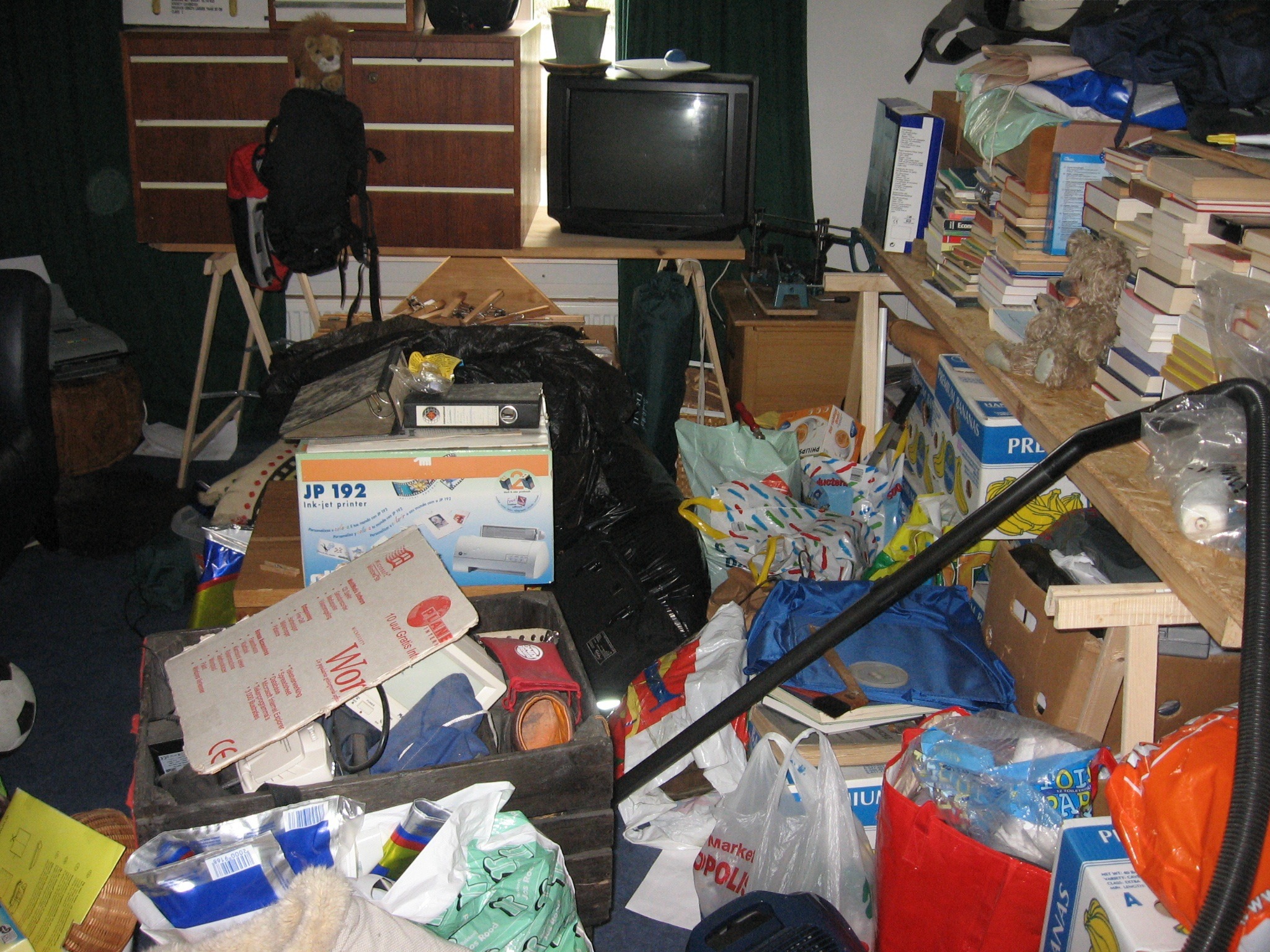
One thing that makes the job more difficult is not clearing pathways. Professional packers will have to carry supplies, walk around your home, and move packed boxes to certain areas of your home. If the entrances, hallways, and other pathways have anything on the floor that they can trip over, then their safety will become compromised which will in turn delay the packing job.
Another thing that makes the job more difficult is when clients don’t put away items they want to keep and transport themselves before the packers start working. In a few instances, my coworkers and I have had to open up packed boxes to remove an item the client didn’t want packed yet they didn’t notify us of that beforehand.
What’s frustrating about that is we do walkthroughs with clients before we start packing so they can tell us what they want us to pack and what they don’t want us to pack. Therefore, I expect clients to point out items or areas they want us to leave alone before we start packing. While we may still ask questions about specific items during the appointment, we can’t read clients’ minds to know what items they forgot to mention. They have to either put those items away or explicitly tell us that they don’t want specific things packed so we can know.
Other things that can make a professional packing job more difficult are not going through your belongings ahead of time, not giving the crew the full address of your home, not giving the crew the access code for your gated community ahead of time, and not giving the crew special directions to get to your home or instructions on where to park when those details are not obvious to someone who is going to your home for the first time.
Q5: Do professional packers really pack everything?
No. If an item can’t fit in a box, then the packers will not pack that in a box. If an item is restricted by the moving company, then the packers will not pack that in a box.
Additionally, there are certain items that should not be packed by professionals such as important documents, jewelry, and sentimental items that have a lot of value to you.
Q6: What should someone ask their moving company before moving day?
One of the most important things you should ask your moving company is what items are prohibited from being packed by their team or loaded onto their moving truck.
Every moving company is different so every company won’t have the same restrictions or policies. While one company may have restrictions around household cleaning supplies, another company may not so find out what their restrictions are before moving day.
Something else you can ask is how many people, trucks, and other vehicles they plan to have for packing day and moving day (if those appointments are on separate dates). You may not be able to get a definite answer until the day before your appointment. Regardless, it’s good to know this in case your neighborhood has parking restrictions so you can direct them on where and how to park their vehicles. Additionally, if you would like to tip your packers and movers and/or provide refreshments for them (which are kind yet optional gestures), then having a head count will help you prepare for that better.
Q7: What kind of belongings should people plan to keep with them instead of putting on the moving truck?
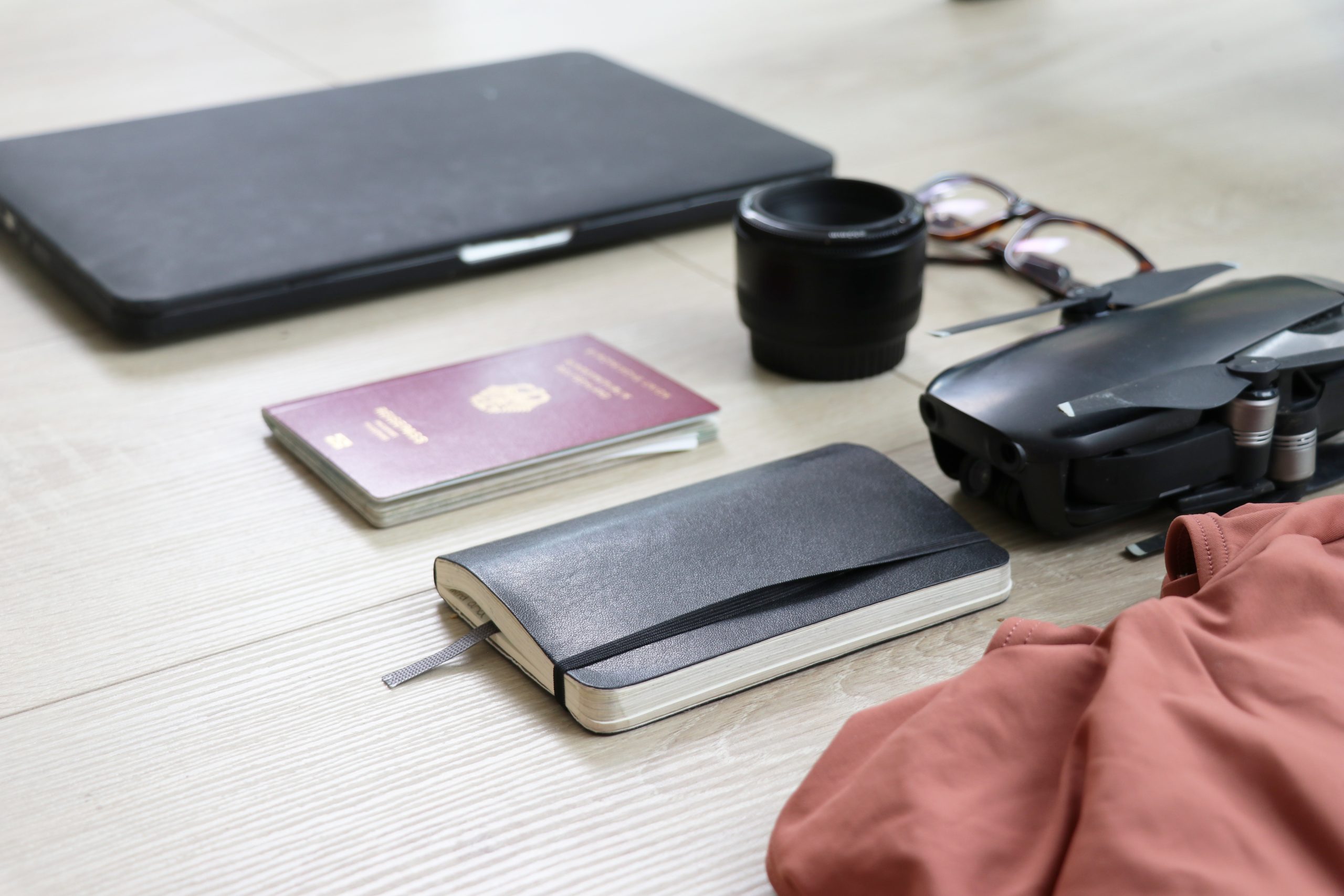
I recommend keeping important documents, valuables, and things you will need immediate access to on the days surrounding your move.
For important documents, that can include your lease agreement or property deed, Social Security card, and passport.
For valuables, that can include cash, family heirlooms, and electronics.
For things you will need immediate access to, that can include outfits, toiletries, and chargers.
Q8: What’s the best way to keep something from accidentally getting packed when you need it with you?
I recommend either packing that item yourself (if it can fit in a container) or putting a label on that item to show it’s off limits.
For example, if that item is your work laptop, then you can either put it in your overnight bag or put a sticky note on it that says “do not pack.”
Something else you can do is tell the packers and movers that you don’t want certain items to be packed when you do a walkthrough with them at the beginning of your appointment.
Q9: How should people label their boxes to make unpacking easier?
I recommend including the name of the area the box needs to go in and what types of items are in each box.
The name of the area can be as generic or detailed as you want depending on your home. For example, you can label the bathroom boxes as “downstairs bathroom” and “upstairs bathroom” if your new home has two levels, as “primary bathroom,” “guest bathroom,” and “half bathroom” if you have three distinct bathrooms, or as “Jane’s bathroom” and “John’s bathroom” if each person has their own designated bathroom in your home.
In terms of the types of items, this can also be as generic or detailed as you want depending on your home and the items. For example, for the kitchen boxes, you can label the boxes to show which boxes contain the eating utensils, plates, glassware, and cleaning supplies.
If there are specific items you want to find more easily, then you can include the names of those items on the boxes. For example, you can write “blue and white anniversary china set” on the box that contains your wedding anniversary gift from your family or “Canon battery charger” on the box that contains the charger for your camera.

Q10: What should someone expect to need immediate access to during and after a move?
You will need immediate access to the things in your overnight bag and open first boxes.
Your overnight bag will contain the things you need the day before your move, the day of your move, and the day after your move. Examples are work uniforms, toiletries, and medications.
Your open first boxes will contain the things you need during the first week you’re in your new home to help you get back to your regular routine. Examples are bedding, laundry detergent, and toilet paper (in fact, you might want to pack an extra roll in your overnight bag).
Q11: What’s one piece of advice you’d give to someone who’s feeling completely overwhelmed by an upcoming move?
If you feel overwhelmed, that’s normal. Moving is stressful. However, you can manage some of that stress by creating a plan around your move and implementing that plan on a daily or weekly basis.
Q12: Is there a resource I can use to help me prepare for my move?
If this Q&A session helped you and you want something that walks you through the information I shared, then I have a solution for you.
It’s called Moving Day Essentials.
What is it? It’s a 24-page digital printable guide that contains practical guidance, checklists, and worksheets to help you figure out what to pack, keep with you, and unpack first after your move.
The reason I created Moving Day Essentials is that in several instances, I noticed when the packing team and I would do walkthroughs with clients, the clients would be unsure of what to do with things in certain areas of their home or they hadn’t fully prepared for us to be there to help them pack.
This isn’t to speak badly of them, because I understand there’s a lot to remember and deal with when it comes to moving, so I thought it would be helpful to create a resource that clients can use to get everything out of their head and onto paper, so they can be more prepared when the packing and moving professionals arrive.
That helps everyone in the long run especially the clients.
It’s human nature to forget things. You might think you will remember every single detail that you have to remember, but what if the day starts with something unexpected and throws you off? What then?
With a written plan (like the one in Moving Day Essentials), you can prepare for your move and handle those situations better overall.


Moving Day Essentials
Take some of the guesswork out of moving day. Moving Day Essentials is a 24-page digital printable guide with practical guidance, checklists, examples, and worksheets to help you prepare for your move, keep important items within reach, and decide what to unpack first in your new home.